
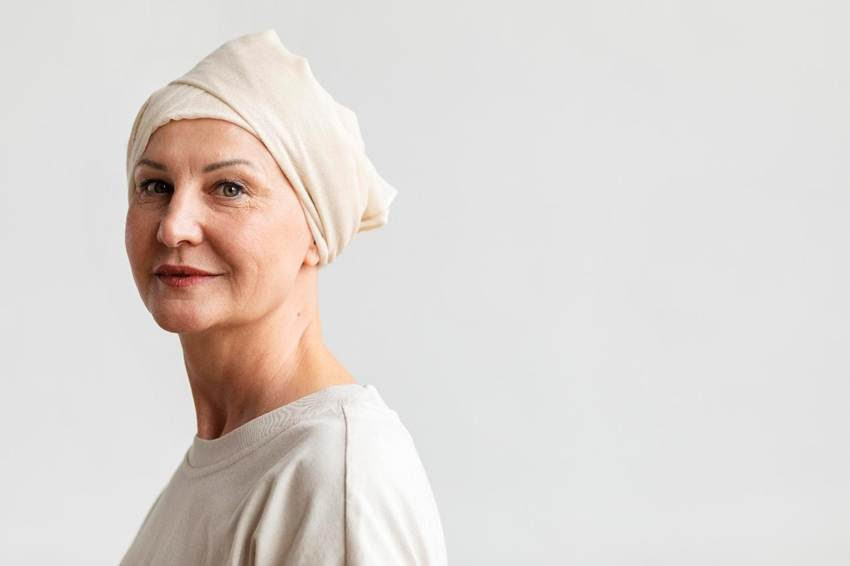
La Roche-Posay and WeCancer stress that skin care supports treatment continuity on World Cancer Day and Dermatologist Day.
On World Cancer Day, February 4, and Dermatologist Day, February 5, La Roche-Posay and WeCancer spotlight dermatological care as part of comprehensive oncology support. The initiative frames skin health as a practical factor for comfort and treatment adherence. In addition, it calls for a broader view beyond tumor-focused care.
The release cites global estimates that 1 in 5 people will receive a cancer diagnosis in their lifetime. By 2050, cases are expected to rise by 77%. As a result, the partners argue for strengthening supportive care throughout the patient journey.
Skin side effects can disrupt therapy
During chemotherapy, radiotherapy, and immunotherapy, skin can be significantly affected. The partners state that about 80% of patients experience skin-related side effects, including severe dryness, cracks, itching, burning, and lesions. However, the impact goes beyond discomfort.
According to the data cited, 1 in 2 patients may pause or stop oncology treatment due to skin reactions. Therefore, dermatological support can influence treatment continuity. In this way, addressing skin needs also helps protect clinical outcomes.
The initiative adds that studies and real-world clinical data indicate 80% of patients say supportive care was essential in coping with the disease. As such, specialized follow-up gains visibility. Moreover, it can improve daily well-being during therapy.
Dermatology science and human support
The partnership combines La Roche-Posay dermatological expertise, known for sensitive-skin care, with WeCancer multidisciplinary guidance and human-centered support. WeCancer is described as a pioneering platform for cancer patient support in Brazil. Since the partnership began, it has reached more than 26,000 patients.
The collaboration aligns with the brand’s global cause, Fight with Care. Next, the partners emphasize skin as the body’s main protective barrier, often requiring ongoing attention. As a result, skin care becomes part of therapy support.
“Skin is a vital organ and, during cancer treatment, it needs the same level of care given to the rest of the body. Proper dermatological support can be crucial so the patient can continue therapy more safely and comfortably.”
The statement comes from dermatologist Dr. Vanessa Mussupapo. She highlights the importance of dermatological follow-up throughout the cancer journey. In turn, skin care is positioned as part of patient support.
Through a 100% free digital platform, WeCancer provides psychological support and guidance from specialized professionals. In addition, it offers remote follow-up. The service includes structured tracking of skin and systemic symptoms, turning them into data for clinical review.
“Fighting cancer is not limited to controlling the disease. It also means ensuring dignity, listening, and support throughout the journey. The partnership with La Roche-Posay strengthens this mission by integrating science, technology, and human care, helping thousands of patients avoid facing this path alone.”
The quote is from biologist and WeCancer founder Cesar Filho. He argues for combining science, technology, and human care in oncology support. Finally, the partners reinforce a central message: caring for skin can help sustain treatment continuity and quality of life.
About L’Oréal Group
L’Oréal Group has worked in beauty for more than 115 years. The company reports a portfolio of 37 brands and sales of €22.47 billion in the first half of 2025. In addition, it states it has more than 90,000 employees worldwide.
According to the release, the group operates across mass retail, department stores, pharmacies and drugstores, salons, travel retail, owned stores, and e-commerce. Its strategy highlights R&I, with 4,000 scientists and 8,000 digital talents. In this way, the company positions itself as a Beauty Tech player.
The group also cites the L’Oréal for the Future program and sustainability goals for 2030. In 2025, the company was named Europe’s most innovative by Fortune, as stated in the text. In Brazil, the operation turns 67 in 2026 and reports a portfolio of 22 brands in the country.