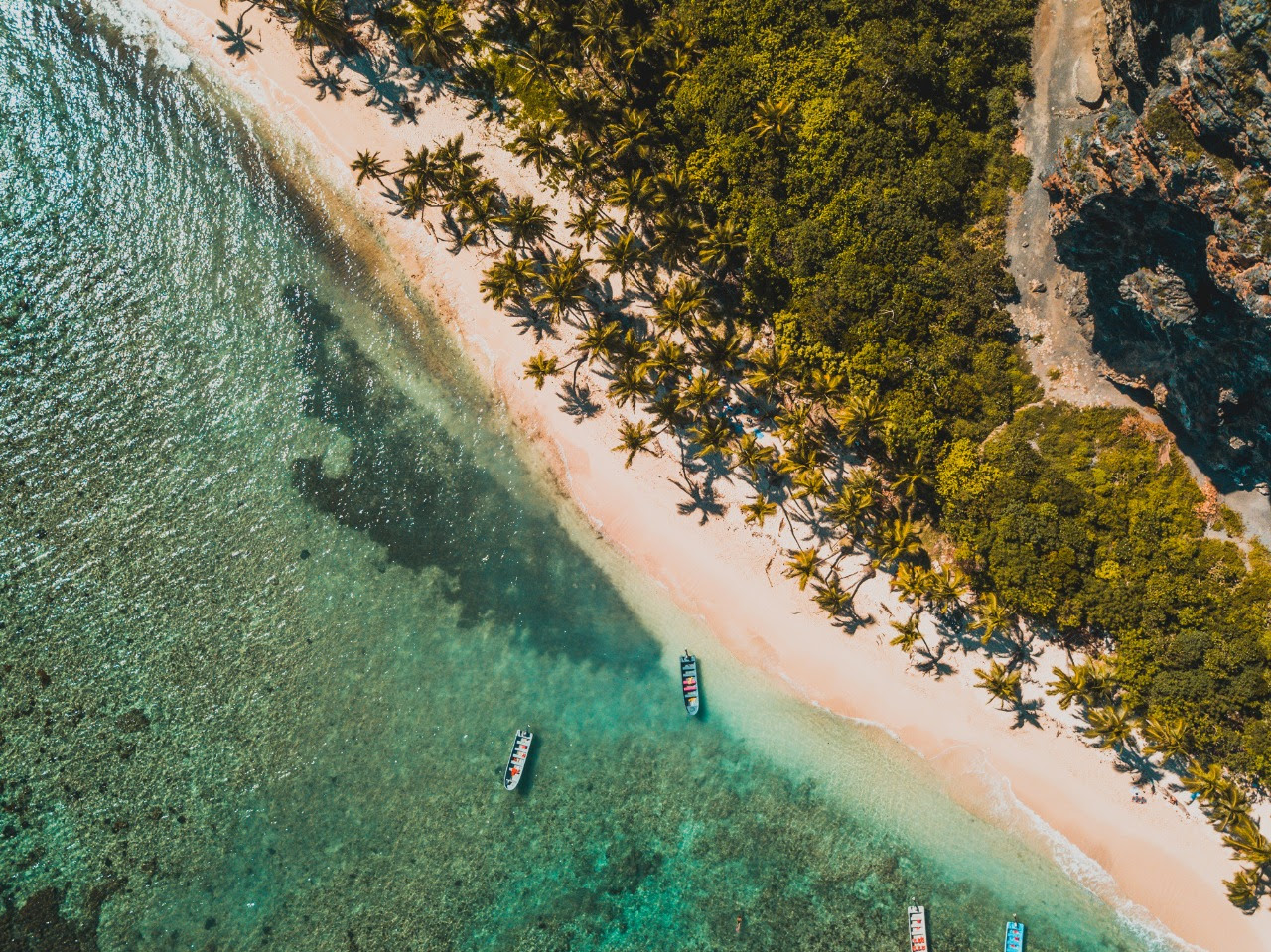
The Dominican Republic stands out in the Caribbean with easy access, strong tourism infrastructure, rich culture and unforgettable natural landscapes.
A compact country with big experiences
São Paulo, 4 December 2025 – With just over 48,000 km², slightly larger than Brazil’s Espírito Santo state, the Dominican Republic impresses by combining a compact territory with a wide variety of attractions. The Caribbean destination draws increasing attention for its warm hospitality, vibrant culture, striking landscapes and robust infrastructure, which makes trip planning easier and more convenient.
In 2024, the country welcomed more than 11 million visitors, supported by strong air connectivity. In Brazil, low-cost airline Arajet, which started operating at the end of 2023, expanded flight frequency and helped offer more affordable fares. As a result, the destination has been winning over Brazilian travelers year after year, with over 120,000 visitors last year and expectations above 150,000 in 2025.
Air, cruise and marina infrastructure
The Dominican Republic has eight international airports strategically located across the country. The Punta Cana International Airport (PUJ) is the busiest hub and receives direct flights from São Paulo, making it possible to reach the destination in about seven hours with airlines such as Gol, Copa and Arajet. The Las Américas International Airport (SDQ), in Santo Domingo, is another key gateway for those who want to explore the capital and other regions.
The country also welcomes hundreds of cruise ships every year through its seven ports, which favors itineraries that combine comfort and access to multiple coastal regions without long overland transfers. Another highlight is the network of well-equipped marinas, ready to host sailors, sport fishers and yacht owners. Together, these elements reinforce the destination’s appeal for travelers who enjoy being on the water.
National parks and protected nature
The Dominican Republic is home to several national parks that protect rich biodiversity and scenic landscapes. One of the best known is Los Haitises National Park, where mangroves share space with striking rock formations. The area also preserves important examples of Indigenous rock art, underlining the link between nature and history.
Another must-see site is Jaragua National Park, home to the paradisiacal Bahía de las Águilas, considered one of the most pristine beaches in the Caribbean. The region shelters sea turtles, iguanas and other emblematic species. In this way, the country positions itself as a strong choice for those seeking nature-based and contemplative tourism.
History and Santo Domingo’s Colonial Zone
Beyond its coastal scenery, the Dominican Republic preserves important historical landmarks. A key example is the Colonial Zone of Santo Domingo, listed as a UNESCO World Heritage Site. The neighborhood brings together 16th-century buildings such as the Catedral Primada de América and Alcázar de Colón, once home to Diego Colón, son of Christopher Columbus.
Cobblestone streets, squares and restored façades turn the area into an open-air museum. At the same time, cafés, restaurants and cultural centers keep the atmosphere lively and contemporary. Visitors can walk through the roots of the Americas while enjoying a dynamic urban setting.
Culture, rhythms and Dominican flavors
The country’s cultural heritage helps explain why the Dominican Republic goes far beyond its famous beaches. African, European and Indigenous influences have shaped local traditions, cuisine and music. The rhythms merengue and bachata are both recognized by UNESCO as Intangible Cultural Heritage of Humanity.
The Dominican Carnival celebrates national identity with traditional costumes and colorful masks that take over the streets. In gastronomy, emblematic dishes such as mangú and sancocho reflect the country’s multicultural roots. Each meal becomes an opportunity to connect with its history and daily life.
Where to find more information
Travelers interested in planning a trip to the Dominican Republic can consult the destination’s official tourism channels. There, they find information on itineraries, attractions, accommodations, events and practical tips. The content supports both first-time visitors and returning travelers.
The official website and social media profiles share ongoing updates, inspiration and campaigns throughout the year. This digital presence helps maintain the country in the spotlight among Caribbean destinations.