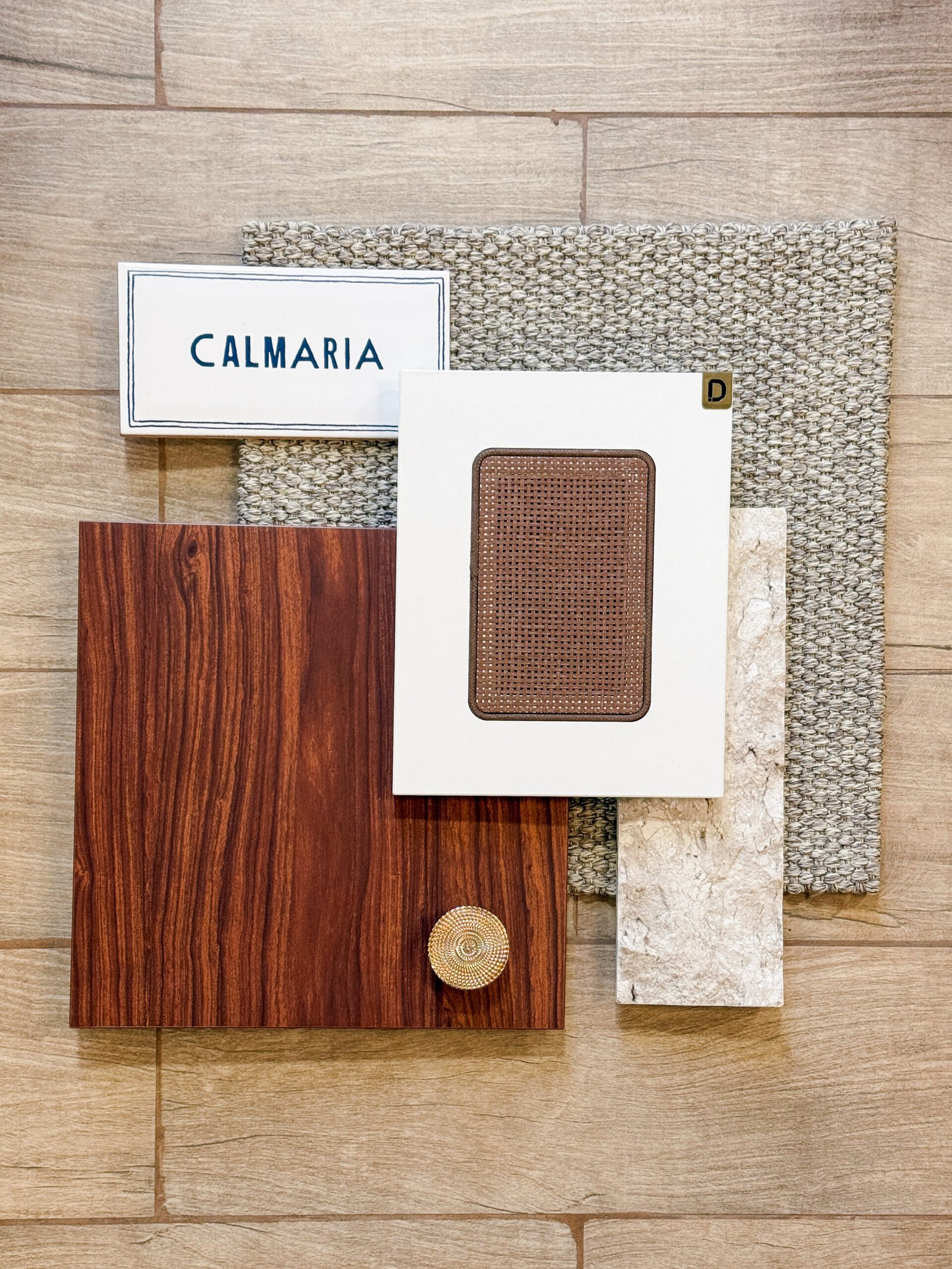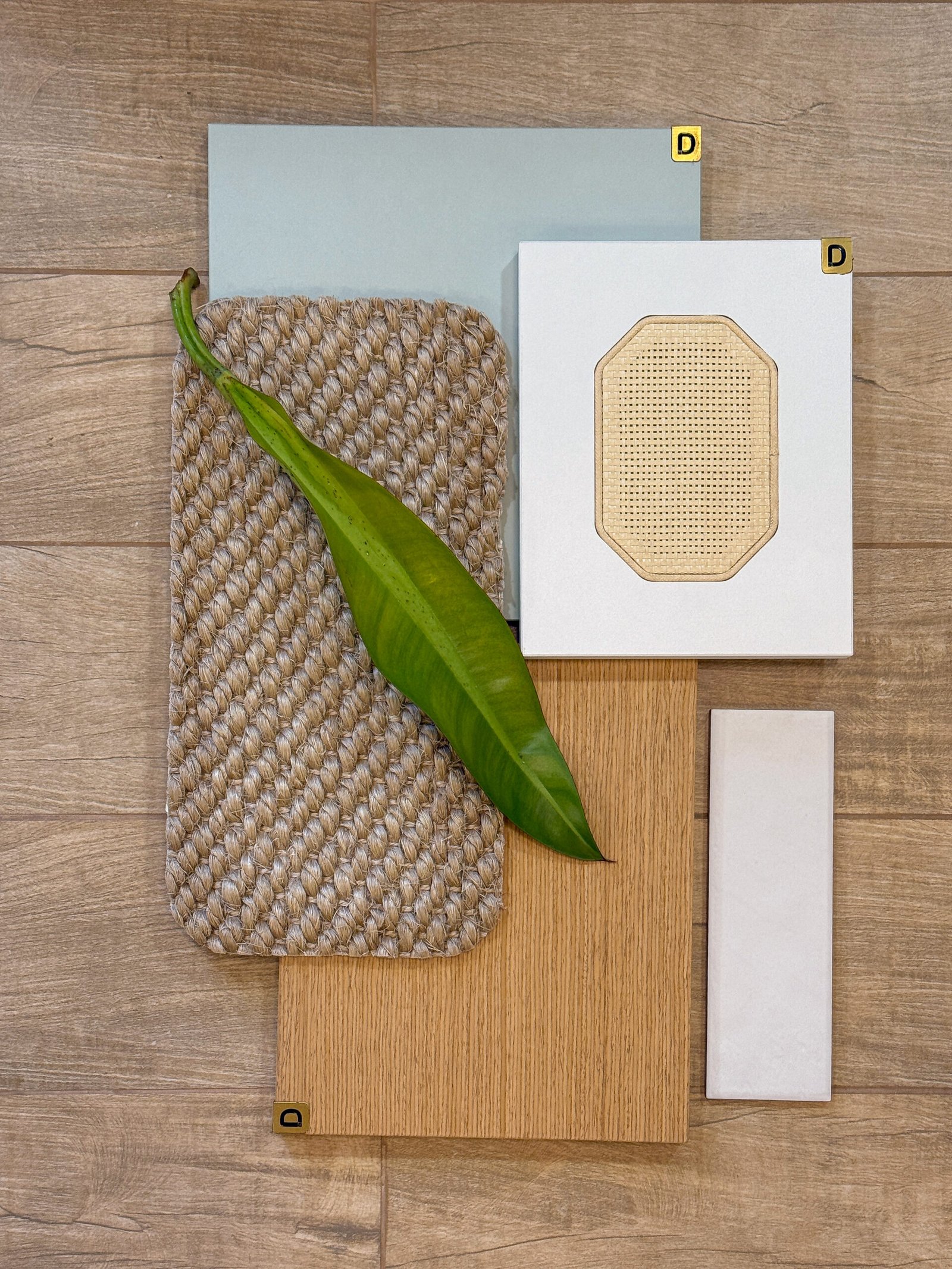
Carpentry trends for 2026 bring tactile wood, calming palettes and bespoke pieces that tell stories, says designer Priscila Poli.
Home as refuge and emotional reset
Carpentry projects in 2026 move beyond pure aesthetics and function to reflect emotional states. The idea of home as a refuge becomes central in design choices.
According to interior designer Priscila Poli, who leads Casamar, a boutique focused on vacation homes, the house gains a new role. It becomes a pause, a shelter and a place to restore energy after fast-paced days.
This perception guides materials, colors and shapes from the start. In custom furniture, that means highlighting textures, visible grain and solutions that invite touch.
Tactile wood, grain and comforting surfaces
For Priscila, everything passes through well-being and the emotional connection that wood creates. In addition, there is a growing desire to live in spaces that carry real stories and identity.
Finishes in warm woods with visible grain return to center stage. People seek the physical feeling of comfort that these tones and textures provide.
The trend is aligned with the Nordic hygge spirit, which values coziness and softness. Furniture that seems to “hug”, rounded edges and smooth curves are increasingly present.
In this context, tactile design is no longer a mere detail. Residents want to feel the furniture with their hands, not just look at it from a distance.
Calming palettes for lighter spaces
Color choices also point to calm and connection, helping the house “breathe” more lightly. Consequently, cabinetry and panelling become tools for emotional balance.
Soft greens, airy mint tones and very light blues that suggest freshness are on the rise. At the same time, earthy palettes remain strong and consistent.
These colors help create more tranquil conversations and welcoming rooms. In some cases, they act as gentle invitations to interaction and presence at home.
The result is living areas, kitchens and lounges that feel softer and more relaxed. Thus, color works together with wood and texture to support everyday well-being.
Identity, memory and homes with soul
Priscila also highlights the search for identity as a key point for 2026. Custom carpentry now includes details that evoke roots, family memories and personal references.
Generic, one-size-fits-all spaces start to lose ground. Each piece is designed with intention and purpose, often connected to the residents’ life stories.
The concept of a “home with soul” leaves the theoretical field and becomes practice. Panels that showcase wood grain and niches for sentimental objects are increasingly specified.
Tailor-made solutions also appear for collections, travel souvenirs and symbolic items. In this way, cabinetry frames and highlights the personal journeys of those who live there.
Sensory carpentry for 2026
For the designer, the current movement is less about following trends blindly. It is more closely linked to the truth of each resident and the routines they want to nurture.
The 2026 carpentry language emerges from the sum of sensory materials, emotional colors, expressive wood and personal stories. Objects and surfaces become narrative elements.
The result is a home that listens and responds to its residents. It welcomes, soothes and mirrors their inner world, acting as a safe harbor.
In a context of accelerated routines, this approach turns the house into a place for rest, connection and authenticity. Thus, carpentry becomes a key tool in designing spaces that heal and protect.