At Nuu Nikkei in Curitiba, chef Carlos Alata revisits classic Peruvian ceviche with fresh, contemporary Nikkei creations for the summer.
A dish of history and fusion
Curitiba, December 2025 – Considered one of the most emblematic dishes in Peruvian cuisine, ceviche carries centuries of history. Records suggest that ancient coastal peoples in Peru already marinated fresh fish with acidic fruits. Later, the arrival of the Spanish introduced lime, helping shape the recipe as we know it today.
Over time, ceviche evolved and crossed borders, gaining multiple interpretations. In Nikkei cuisine, which blends Japanese and Peruvian traditions, the dish found a new balance. Precise cuts, vibrant acidity and fresh ingredients became the foundation of this approach.
This cultural fusion helped ceviche win over Brazilian diners in recent years. Today, the dish appears on menus across the country, from classic to fully creative versions. It has also become a symbol of freshness and lightness in contemporary gastronomy.
Ideal choice for hot summer days
The acidity of the leche de tigre, the freshness of the seafood and the lightness of the garnishes make ceviche perfect for summer. Together, they create a flavorful, aromatic and refreshing experience. As a result, the dish stands out as a versatile option for hot days.
At Nuu Nikkei, a leading Nikkei fine-dining restaurant in Curitiba, ceviche is one of the house specialties. The menu presents versions that range from traditional recipes to contemporary signatures. All of them are crafted by Peruvian chef Carlos Alata.
“For me, ceviche is more than a dish: it is an expression of freshness and balance. It respects the ingredient, preserves the original flavor of the fish and captures the energy of summer in every bite. Working with ceviches at Nuu Nikkei means bringing tradition, technique and creativity to the table,” says Carlos Alata.
Classics and signature combinations
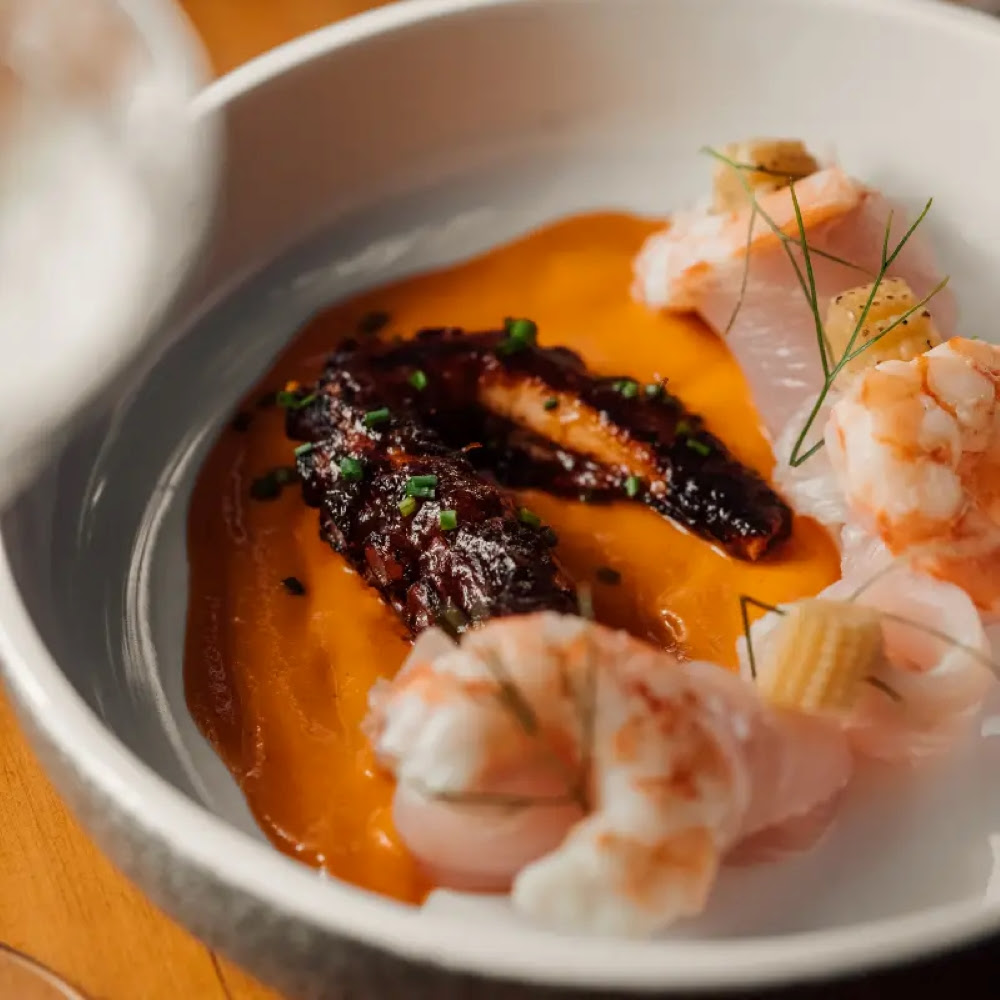
Nuu Nikkei serves several ceviche variations that explore different textures and levels of acidity. One highlight is La Mar, made with shrimp, the daily white fish and grilled octopus. The sauce is based on confit Peruvian ají peppers, reinforcing the dish’s roots.
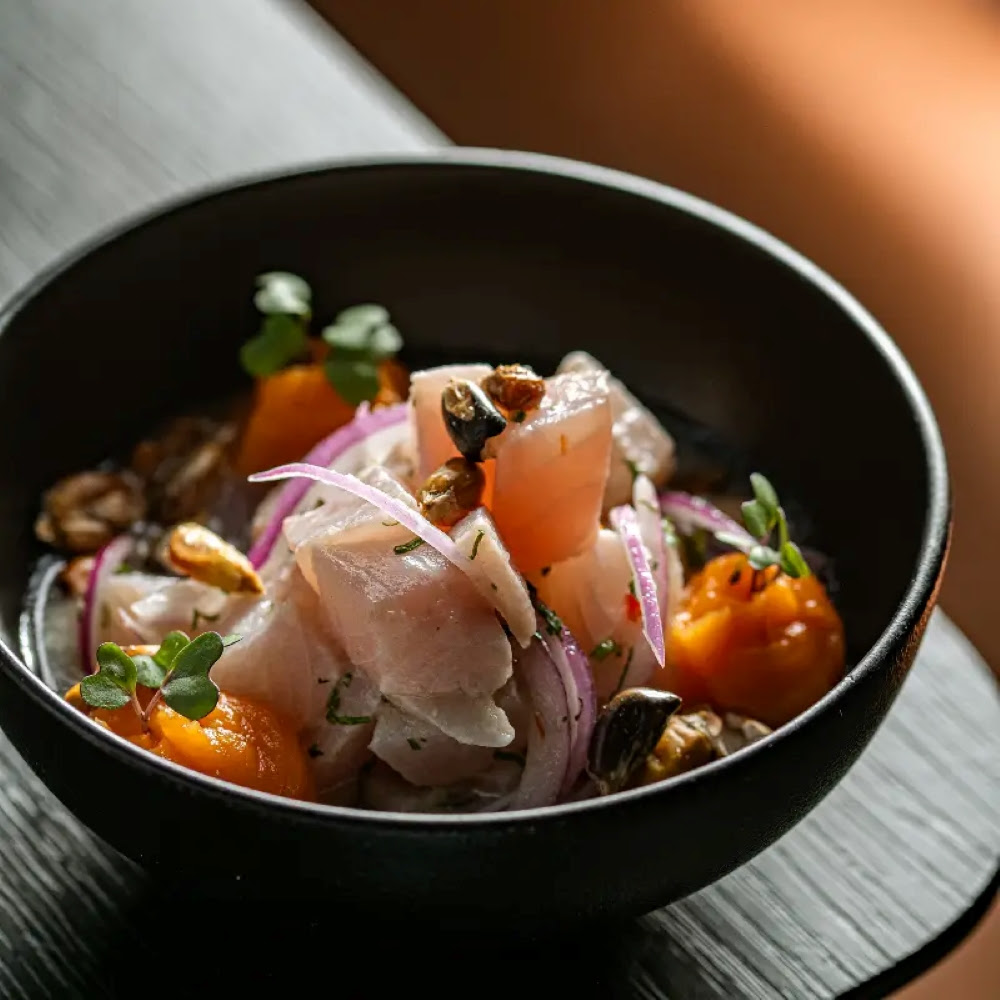
The Peruvian Classic brings the traditional profile, with white fish, red onion, cilantro and chili in leche de tigre. It is finished with sweet potato and Peruvian corn, balancing acidity and sweetness. In this way, the recipe pays tribute to ceviche’s classic origins.
Another creation, Três Mares (Three Seas), combines salmon, scallops and shrimp with notes of passion fruit, mango and kabocha squash crisps. The dish plays with tropical sweetness, citrus brightness and earthy nuances from the Japanese pumpkin. The result is a signature ceviche aimed at guests seeking layered flavors.
Nikkei cuts, textures and contrasts
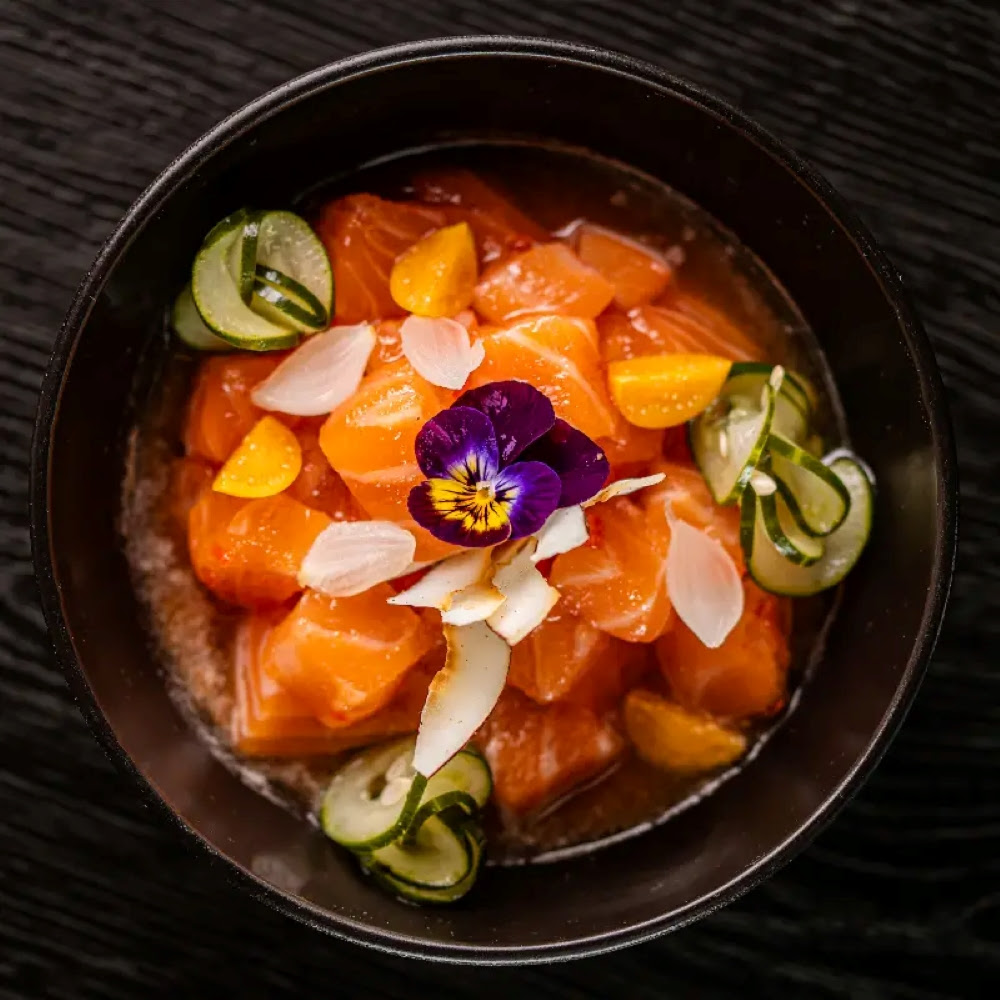
Among the single-fish variations, the Salmon Ceviche pairs salmon with sunomono and thin coconut slices. A sweet-and-sour dressing bridges Japanese and Latin influences. Thus, the dish balances freshness, sweetness and crunch.
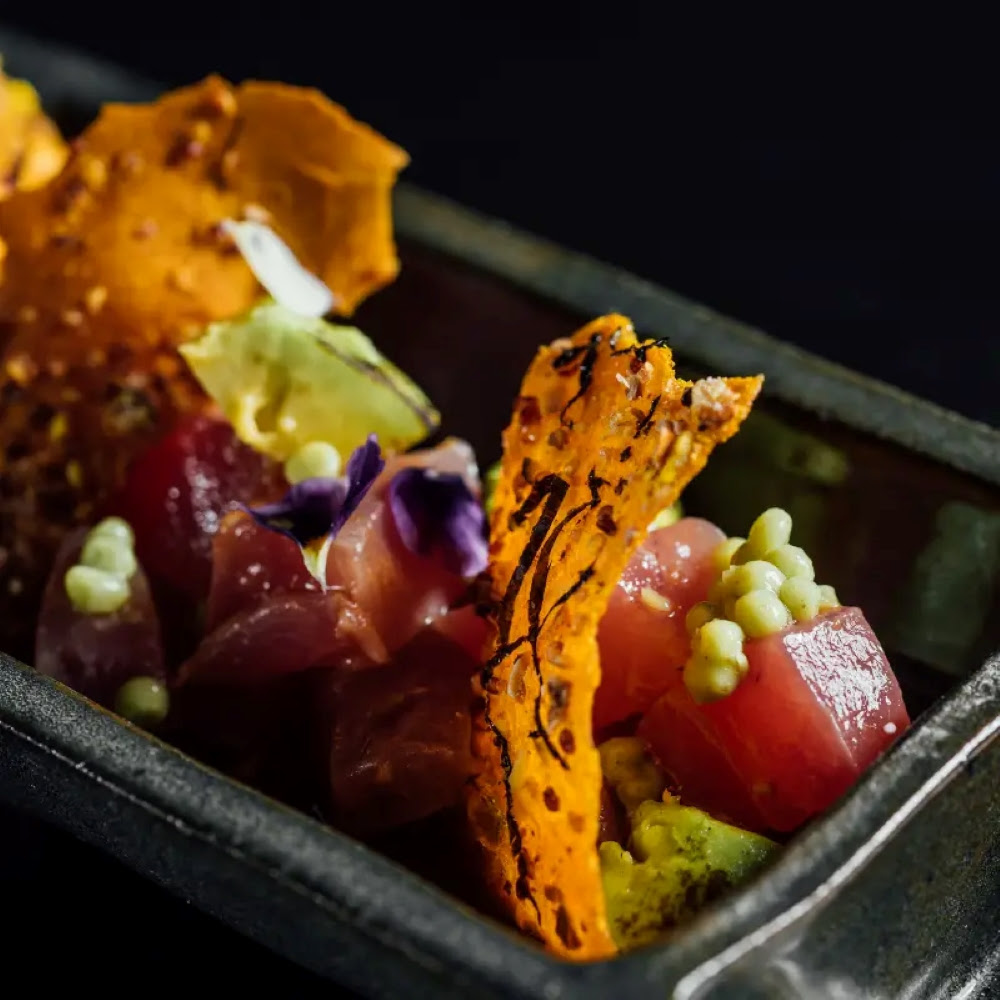
The Tuna Ceviche features tuna, avocado, wasabi caviar and nori in a ponzu-based sauce, topped with Andean crunch. The combination highlights fat, heat and umami in harmony. It showcases Nikkei technique in building flavor layers and texture contrasts.
For guests who want to explore more than one profile, the Trilogy of Ceviches brings three tastings. The selection includes versions with salmon, tuna and white fish. This format allows side-by-side comparison of acidity, texture and intensity in a single experience.
Ceviche with identity and soul
With its variety of flavors and textures, ceviche stands out as a fresh and adaptable summer dish. It works well both as a starter and as a light main course. At the same time, it connects Peruvian heritage with local preferences in Brazil.
“For me, every ceviche is born from a search for identity. I try to make each version tell a story — whether through sharper acidity, specific seafood combinations or ingredients that recall Peru while speaking to the Brazilian palate. I think a lot about balance and personality: each one has its own rhythm, its own freshness and its own soul,” adds Carlos Alata.