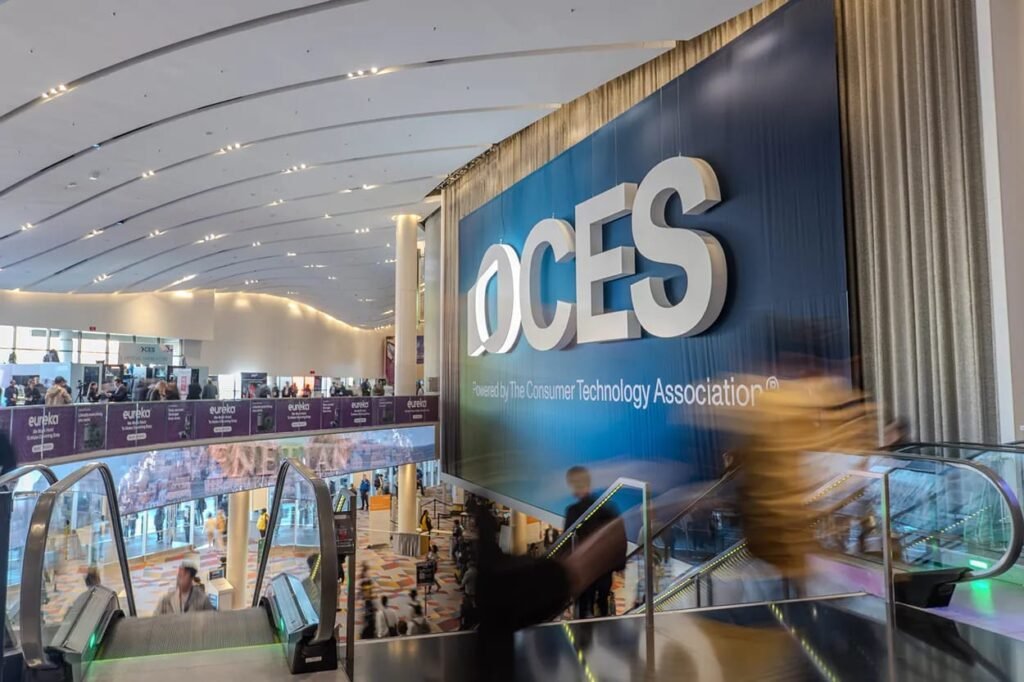
Las Vegas event showcased Kodak and Napster’s AI-driven comeback, and Robert Janssen calls for a stronger Brazilian presence at CES.
CES 2026 in Las Vegas brought together trends shaping the tech industry. The agenda highlighted
artificial intelligence, mobility, smart cities, and digital health. In addition, the show reinforced CES as a stage for repositioning legacy brands.
According to the account, the event blended technology, cultural memory, and purpose. In this way, historic brands reappeared with new AI-centered proposals. The message presented is that heritage can become a competitive advantage when reinterpreted.
Brands back in the spotlight
Among the highlights,
Kodak returned with AI solutions applied to imaging. The brand also showcased hybrid systems that connect analog and digital. As a result, the company positions tradition as compatible with new consumer expectations.
Napster was cited as re-emerging as a
Web3 + AI platform for artists. The stated goal is to decentralize distribution and rights. Meanwhile,
Siemens emphasized its role in the future of smart cities, with industrial AI and connected infrastructure.
The text also mentions
BlackBerry,
Polaroid,
Atari, and
Motorola as brands reinforcing the value of legacy. On the other hand, the approach presented is not nostalgia-first. It focuses on updating iconic names with current tech language.
Pinball as a metaphor
The return of pinball machines appeared as a symbolic example. According to the account, they were redesigned with sensors, digital integration, and touches of AI. In this way, CES was portrayed as a place where classics gain a future.
“Even pinball machines returned, redesigned with sensors, digital integration and touches of AI. A perfect metaphor: at CES, even the classic gets a future,” says Robert Janssen, President of Assespro-RJ and CEO of OBr.global, who attended the event.
Brazil and a stronger CES presence
Robert Janssen called for a stronger
Brazilian presence at future editions. He said CES is where global trends emerge and strategic partnerships take shape. In addition, he argued the event can inspire public policy.
“Why does this matter to us? Because Brazil needs—and deserves—to show up more strongly at the next editions of CES. That’s where global trends are born, where strategic partnerships are created, where public policies are inspired, and where countries build technological reputation. And being present means influencing, learning, and positioning our companies and ecosystem at the same speed as the world.”
Key takeaways from the show
Janssen said the CES 2026 journey offered new perspectives to participants. Among them, he highlighted the technology “training” new robots and what it means for global industry. Next, he pointed to
WITSA’s strategic presence in the international debate on innovation and AI.
He also mentioned insights about the US government’s strategy and a new national innovation platform. He said the topic may have direct impacts on Brazil. Finally, Janssen said the event ended, but the future-focused conversation continues.
“CES26 ended, but the conversation about the future is only just beginning,” Janssen concludes.