


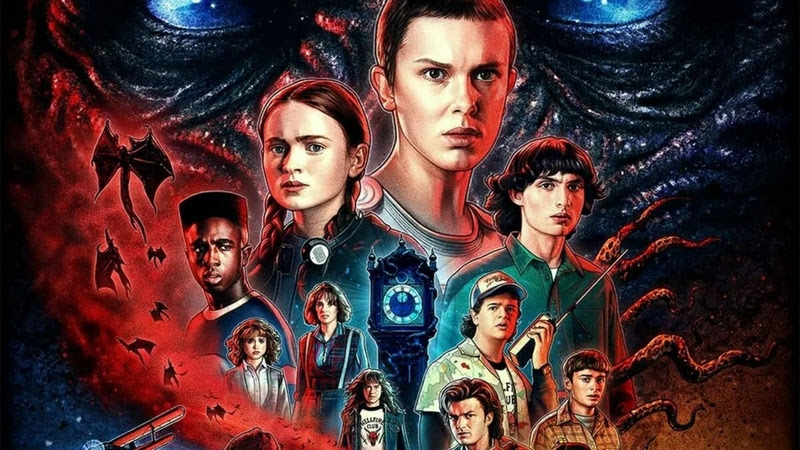
Global hype around Stranger Things and other pop hits shows how big launches drive brand campaigns, engagement and live experiences.
When pop culture sets the agenda
On the last day of the year, Netflix airs the final episode of Stranger Things, which follows five friends in Hawkins and its eerie “Upside Down”. The new season quickly became the center of attention in media and consumer conversations. Branded collabs, themed ads and live marketing activations have multiplied worldwide.
This shift shows how the market now reads pop culture hype as a strategic opportunity. Data from Licensing International indicate that campaigns linking brands to entertainment properties can raise audience engagement by up to 20%. Big releases now help shape marketing calendars and creative direction.
Pop culture at the heart of campaigns
In recent years, pop culture has moved to the core of brand communication. “From Barbie to Big Brother, including series like Squid Game (Round 6) and TikTok trends, these cultural peaks are when people are more attentive, engaged and willing to talk. When that happens, brands can join the conversation naturally and occupy real space in it,” says Haynabian Amarante, COO at HUSTLERS.BR.
When the Barbie movie premiered, shopping centers across major cities hosted immersive activations such as the ‘Barbie House’ and highly instagrammable installations. With Squid Game, game-like challenges moved from screen to public spaces, with character replicas and dynamics that encouraged interaction and sharing. The physical world became an extension of the streaming universe.
Classic series also benefited from this movement. Friends, which ended over 20 years ago, returned with themed exhibitions, recreated sets in public areas and collections in fashion and home décor. The Harry Potter franchise follows a similar path, staying relevant through experiences and licensed products.
Stranger Things and immersive fan experiences
With Stranger Things, this pattern repeats on an even larger scale. Retailers have recreated iconic settings from the show, with Christmas lights, retro arcades and 1980s-inspired décor. Fast food chains invite customers into the Upside Down through themed interiors and fan-focused activations.
Other brands have created immersive experiences like ‘Stranger Things Day’, offering special products and photo-friendly spaces. These initiatives encourage fans to document and share their visits. Campaigns thus become content that travels organically across social networks.
Timing as a key performance driver
Ignoring these cultural pulses now means losing timing. And timing today directly influences results. “Being present in big moments of collective attention turns campaigns into live conversations that move across screens, streets, timelines and fan communities,” stresses Haynabian Amarante.
For him, brands that show up with consistency and authenticity do more than surf a temporary hype. They deepen their relationship with audiences and build long-term relevance. In this context, hits like Stranger Things become platforms for connection rather than just entertainment products.
About HUSTLERS.BR
HUSTLERS.BR is a communication agency specialized in Live Marketing and Digital Strategy. It develops innovative, authentic and diverse solutions, from online and in-person events to brand activations. The agency offers personalized service delivered by a plural team.
Led by Ramon Prado and Haynabian Amarante, Black entrepreneurs and communication professionals with over 20 years of experience, HUSTLERS.BR has worked with clients such as TikTok, Google, Warner Bros., Banco BV, Fiserv and Ultragaz. The agency embraces diversity as a core value and aims to create unique, memorable experiences that combine innovation, authenticity and excellence.